
Why fence posts fail at the groundline.
Wood posts usually fail where wet soil, moisture and oxygen create the perfect conditions for decay. Post ProTec keeps the vulnerable groundline area out of the soil while allowing drainage and future replacement.
- Keeps wood out of the soil
- Allows drainage
- Easier replacement

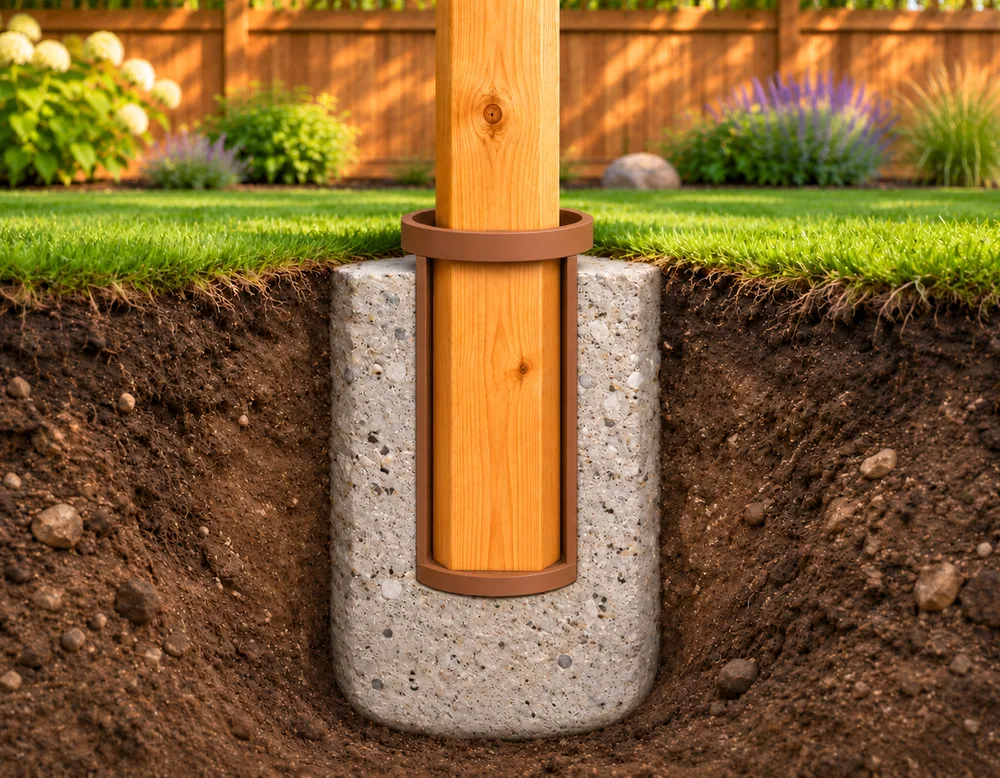
- Wood post above soil
- Groundline
- Post ProTec socket
- Gravel footing
Wet soil keeps the post wet at the groundline. That’s where it fails.
A post set into the ground or a concrete footing soaks up moisture year after year. The wood just below the surface decays due to fungal growth, and the fence leans or collapses at that point.
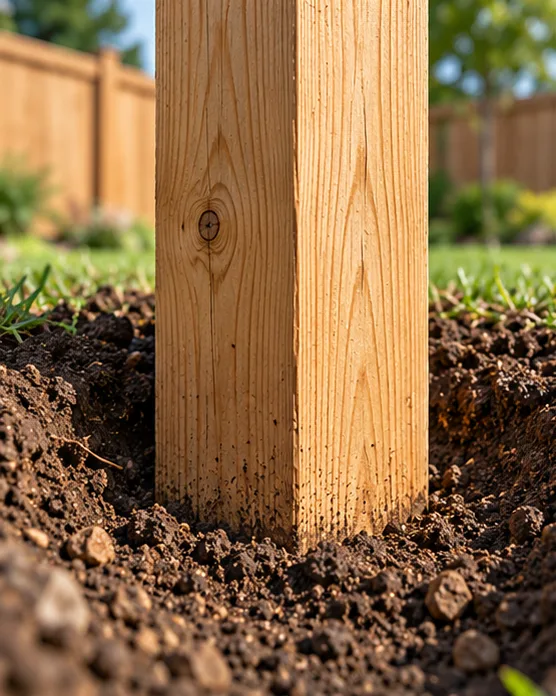 1
New post
Looks great above ground.
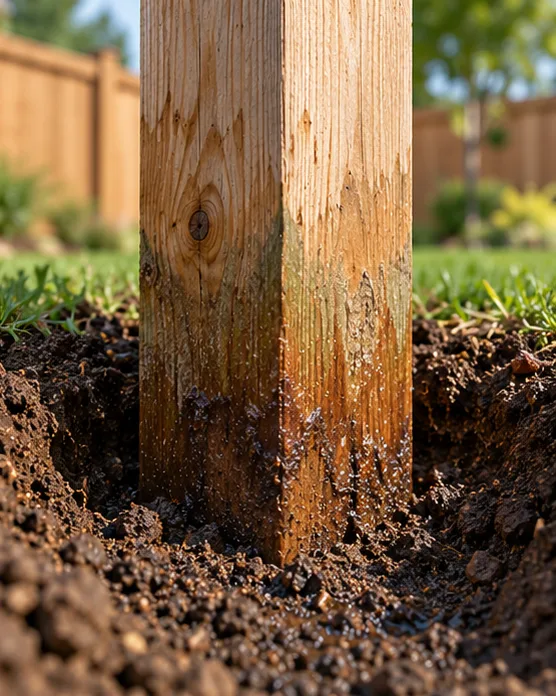 2
Moisture attacks
Water and oxygen break down the wood at the groundline.
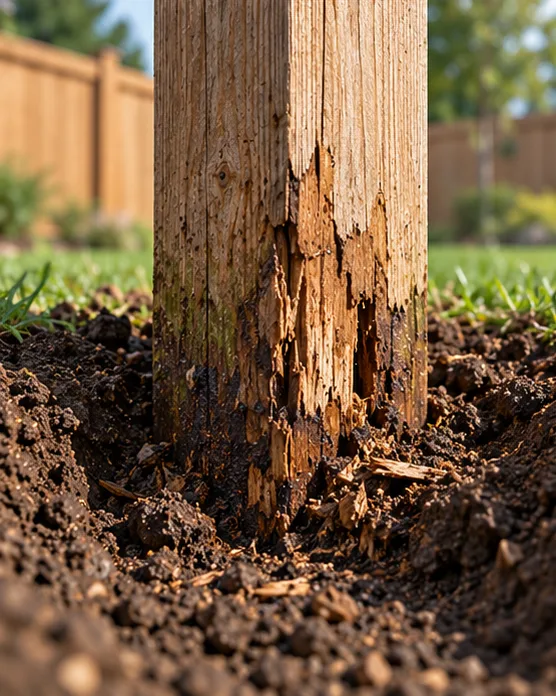 3
Deep decay
The post loses strength and structural integrity.
 4
Post fails
Wood becomes weak, and the fence leans or falls.
How Post ProTec changes the equation.
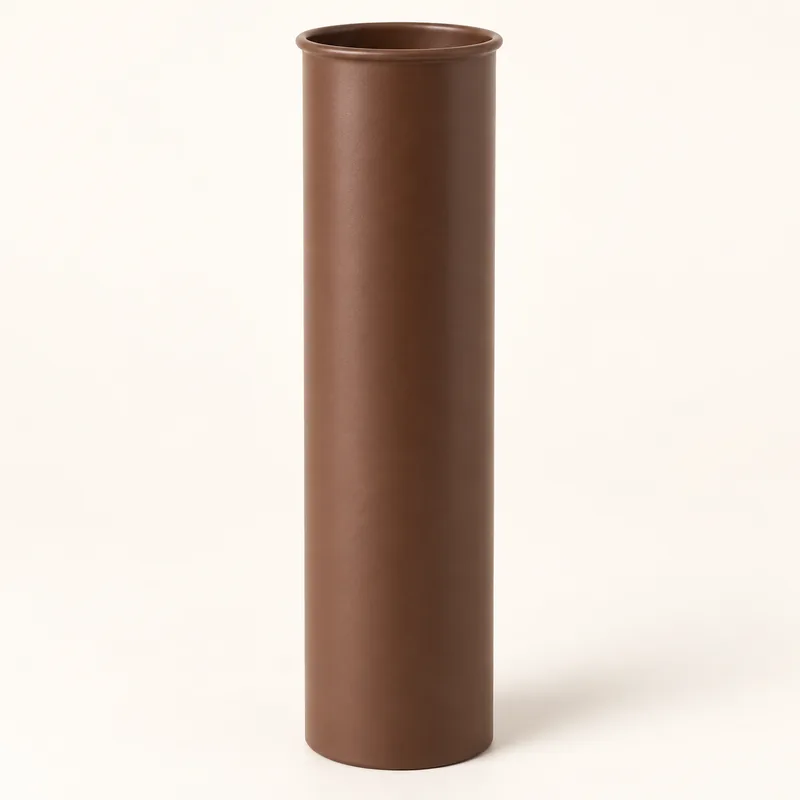
The Post ProTec socket provides a dry seat of its own, so the area that matters stays dry. The socket also allows for easy rotation, removal, and replacement of posts.
- 1
Keeps wood away from soil
The post sits securely inside the socket instead of touching wet soil or cement.
- 2
Keeps water out
Moisture drains past the socket keeping the groundline interface dry.
- 3
Installs with the post
Set the socket in a concrete or gravel footing, drop in the post, and align to the fence line. No special tools Req’d.
- 4
Sits 2 in. above, 22 in. below
The socket rises 2 inches above the ground line and reaches 22 inches below it.
Traditional post setting vs. Post ProTec.
Traditional post in soil or concrete
- Groundline stays wet in contact with soil.
- Wood breaks down over time.
- Replacement means digging out the footing.
Post ProTec system
- Groundline stays above wet soil.
- Drainage helps prevent trapped moisture.
- Post lasts longer.
- Future replacement is simpler without digging out the footing.
How it works in three simple steps.
 1
Set the socket in the footing.
Set the Post ProTec socket in concrete.
 2
Insert and align the wood post.
Place your 4×4 or 6×6 wood post into the socket.
 3
Build the fence.
Let the concrete cure and build your fence. Replace the post later if needed, without digging out the footing.
Built for the places that take the most stress.
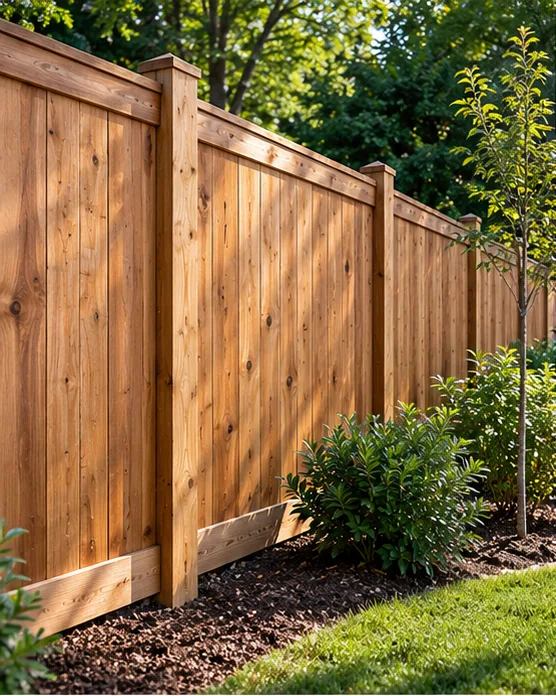
Privacy FencesA solid foundation for long lasting privacy fences. 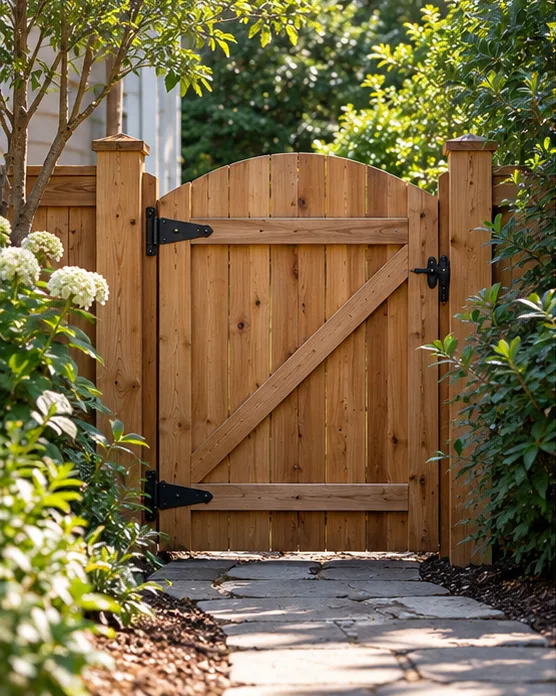
GatesExtra strength where it matters most. 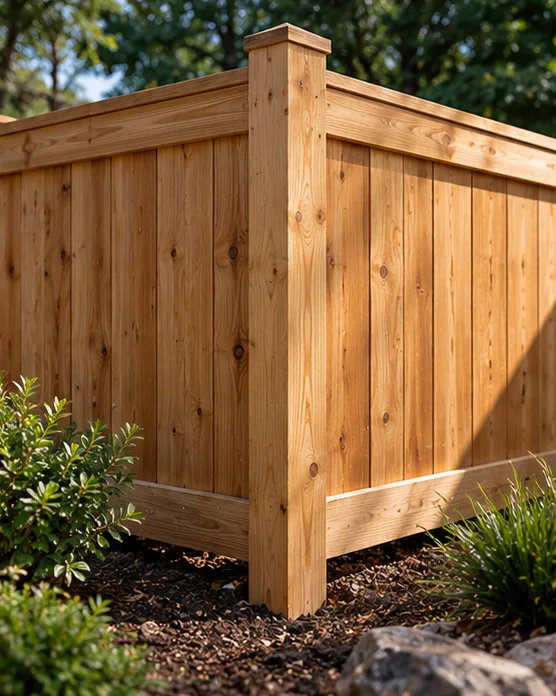
Corner PostsReliable support for high stress corners. 
Decorative & Picket FencesKeep decorative fences straight and secure.
Still have questions?
Get the details you need to plan your project with confidence. From compatibility and installation to replacement and warranty, we’ve got you covered.
Does it work with pressure-treated posts?
Yes. Treated posts or posts with natural pest resistance such as Cedar and Redwood last longer than untreated ones, and the socket protects the part of the post that still fails first.
Do I still need concrete?
Concrete is recommended, but other footing materials such as Gravel will suffice. Backfilling with soil is not recommended but still possible when using the Post ProTec sockets.
Can I retrofit it onto an existing fence?
While it is possible, it would require all existing posts to be removed. Post ProTec sockets are intended for new posts placement only.
What is the warranty?
While the posts will last indefinitely, the post replacement warranty is 20 years.
Protect First. Build to Last.
Get the right Post ProTec socket for your project, or review the installation details to get started.